
Who sees themselves in what we protect? It's a simple question, one rarely asked, and it's a provocation, because it asks us to be critical, if not of our own work, then of the work we're commissioning.
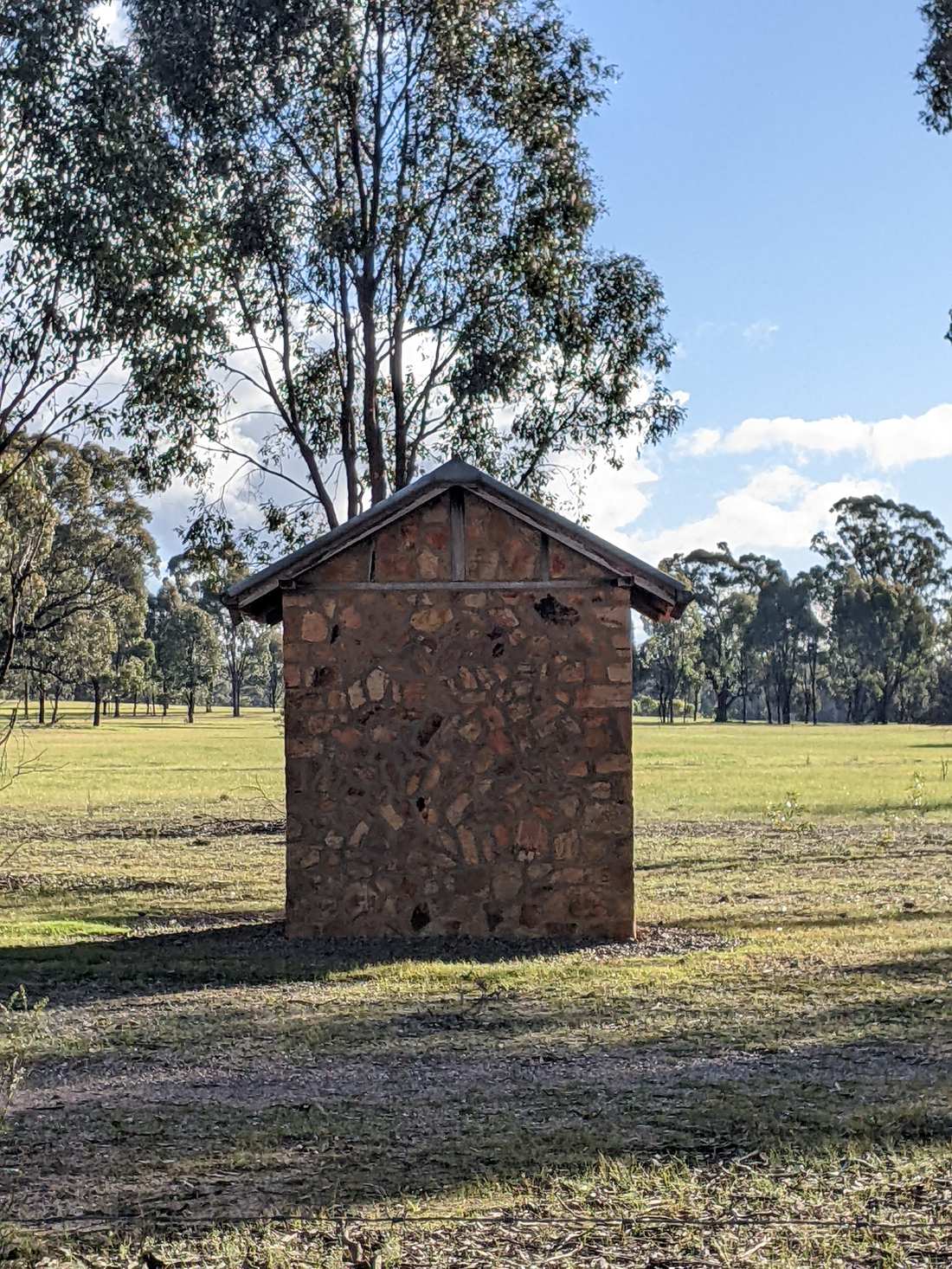
When I review studies, the same absences repeat, again and again. Where are the immigrant and diaspora communities, where are the industrial sites and the gathering places, where are the archaeological sites, where is the recognition of a living, continuing Aboriginal culture, rather than one treated as history's preface? Most of the time, what gets protected reflects a narrow and unrepresentative slice of the past, the recognised architects, the civic institutions, the grand houses, documented in careful detail, with little acknowledgment of the dark histories tangled up in them, or the people who built them and were never recorded doing it. Heritage studies have become, structurally, an exercise in exclusion.
This isn't a regional problem either. Every municipality in Victoria has some version of this story, heritage that's present and visible once you know to look for it, and almost entirely absent from the formal record.
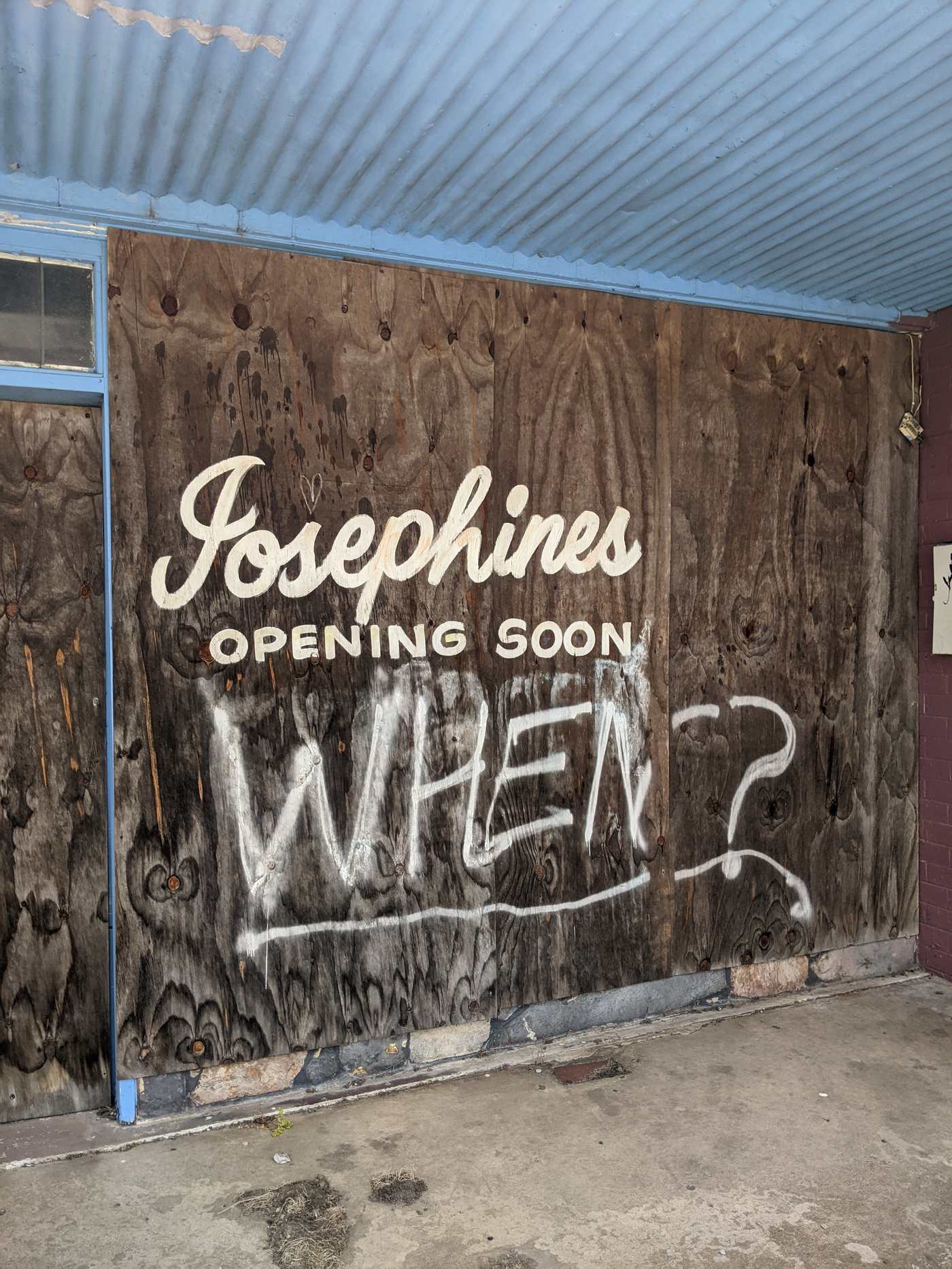
Victorian heritage practice already has the ethical foundation to do better. The Burra Charter doesn't only give us Article 3, do as much as necessary and as little as possible, it also requires, in Articles 5, 6, 12 and 13, that we account for intangible values, community associations, and the contributions of every period, not only the fabric that happens to survive, and in practice, most studies lean on the first and quietly forget the rest exists.
The new Victorian Local Heritage Guidelines, released this May, bring real technical improvement, but they also narrow Criterion G to require a "present-day" community association, which effectively excludes communities whose connection to a place was severed by dispossession or displacement. A community that has spent generations trying to reclaim that connection has a present-day association, in any sense of those words that actually means something.
Aboriginal cultural heritage carries the sharpest version of this problem. Traditional heritage studies have long treated it as something that happened before the first building went up, rather than what it actually is, a living, continuous foundation. As Dr Paul Irish puts it in Hidden in Plain View, there's a persistent myth that Aboriginal culture "has never changed and cannot change without ceasing to be authentic," and a connection to place that looks different from how that culture is popularly imagined is not, for that reason, any less real.
None of this needs new legislation to fix. Councils can co-design study methodology with Registered Aboriginal Parties and Traditional Owners from the very start, not the consultation stage tacked on near the end, they can build internal heritage capacity that holds onto institutional memory and local relationships in a way an outside consultant never will, bringing in specialists only where the work genuinely needs them, and they can write briefs that name the gaps out loud, rather than leaving scope to chance.
The heritage we identify and protect is the heritage we've decided matters, and that's a political act, whether we admit it or not. The question worth asking, and worth asking loudly, is whether the communities routinely missed by current practice would recognise themselves in the studies being produced about them. Most of the time, honestly, they wouldn't. That's what needs to change.
This condenses a longer discussion paper of the same name. If you're a heritage advisor or planner working across Loddon Mallee and any of this sounds like your own briefs or your own Criterion G headaches, I'd genuinely like to compare notes. Get in touch.